
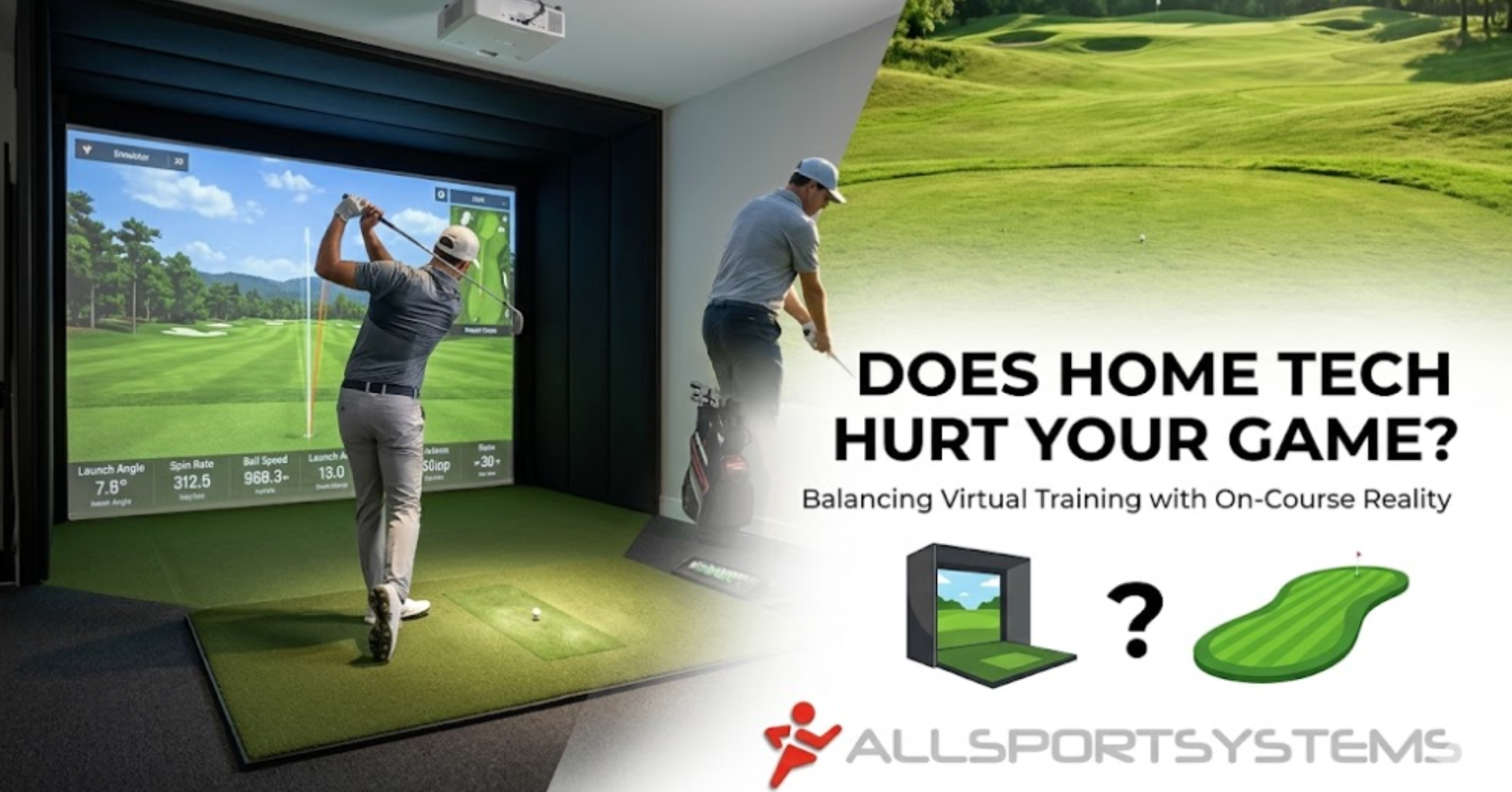
Home golf simulators offer a modern twist to practice, but can they actually hinder your game? Discover the potential pitfalls and benefits behind the tech.
The Rise of Golf Simulators in Training
In recent years, golf simulators have surged in popularity, transforming the way both amateurs and professionals approach their practice routines. The allure of being able to play a round of golf without leaving the comfort of your home or local clubhouse is undeniable. This technology has made it possible to practice your swing, analyze your shots, and even play virtual rounds on some of the world's most iconic courses, all while avoiding the unpredictability of outdoor conditions. This convenience has led to a steady rise in the use of golf sims as a staple in modern training regimens.
Several factors have contributed to the growing popularity of golf simulators. First and foremost, the advancements in technology have made these simulators more accurate and affordable than ever before. High-definition graphics, precise ball tracking systems, and realistic course simulations have brought an unprecedented level of authenticity to the virtual golfing experience.
Additionally, the COVID-19 pandemic further accelerated the adoption of cheap golf sims as many golfers sought ways to practice and stay active while adhering to social distancing guidelines. This shift in behavior has cemented golf simulators as a viable alternative to traditional practice methods.
Yet, despite their increasing prevalence, there remains a lingering question: can golf simulators actually hurt your game? While the benefits are clear, it's essential to delve deeper into the potential downsides and understand how to mitigate them. By examining the intricacies of how golf simulators work and evaluating their impact on your game, we can determine whether this modern marvel is a friend or foe to your golfing skills.
How Golf Simulators Work
To understand the impact of golf simulators on your game, it's crucial to first grasp how these sophisticated machines operate. At their core, golf simulators combine advanced technology with realistic simulations to create an immersive golfing experience. The primary components of a golf simulator include a golf simulator bay, a premium golf launch monitor, a golf sim projector, a golf sim hitting mat, and an affordable golf sim screen. Each of these elements plays a vital role in accurately recreating the experience of playing on a real golf course.
The enclosure is what you hit into. It also houses and supports the impact screen.

The launch monitor is the heart of the golf simulator, responsible for tracking the ball's flight and providing data on various aspects of the shot. Using high-speed cameras, radar, or infrared sensors, the launch monitor measures critical metrics such as ball speed, launch angle, spin rate, and clubhead speed. This data is then processed by the simulator's software to generate a realistic representation of the shot on the virtual course. The projector displays this information on a large screen or net, allowing golfers to see their shots in real-time and make necessary adjustments to their technique.
 The Garmin R50 is a powerful launch monitor that requires NO PC!
The hitting mat is another essential component, providing a surface for golfers to take their shots. These mats are designed to mimic the feel of real grass, ensuring that golfers can practice their swings with the same mechanics they would use on an actual course. The screen or net serves as the backdrop for the virtual course, with high-definition graphics creating an immersive environment that closely resembles real-world conditions. Together, these elements create a comprehensive training tool that can be used to practice various aspects of the game, from driving and iron play to chipping and putting.


While the technology behind golf simulators is undoubtedly impressive, it's essential to recognize that they are not without their limitations. Understanding how these machines work and the potential gaps in their accuracy is the first step in ensuring that their use enhances rather than hinders your game.
Potential Benefits of Using Golf Simulators
Golf simulators offer a plethora of benefits that make them an attractive option for golfers of all skill levels. One of the most significant advantages is the convenience they provide. With a indoor golf simulator, you can practice your game regardless of weather conditions, time constraints, or geographical limitations. This means you can maintain a consistent practice routine year-round, which is crucial for improving your skills and lowering your handicap. Additionally, the ability to play on virtual versions of renowned courses allows you to experience and prepare for different playing conditions without the need for extensive travel.
Another notable benefit of golf simulators is the wealth of data they provide. The detailed metrics captured by the launch monitor, such as ball speed, spin rate, and launch angle, offer invaluable insights into your swing mechanics and shot performance. This data-driven approach allows you to identify strengths and weaknesses in your game, enabling you to make targeted adjustments to improve your overall performance.
Golf simulators also offer a social and recreational aspect that can enhance your overall enjoyment of the game. Many simulators allow for multiplayer modes, enabling you to compete with friends or other golfers from around the world. AllSportSystems participates in multiplayer sessions all the time! This can add an element of fun and friendly competition to your practice sessions, making them more engaging and motivating. Additionally, the immersive and realistic nature of the virtual courses can provide a welcome escape and a sense of adventure, allowing you to explore and play on some of the most famous courses in the world from the comfort of your own home.
Common Misconceptions About Golf Simulators
Despite their growing popularity, several misconceptions about golf simulators persist, which can lead to unrealistic expectations or improper use. One common misconception is that golf simulators can fully replace on-course practice. While simulators offer a valuable training tool, they cannot replicate the nuances of playing on a real course, such as dealing with varying weather conditions, uneven lies, and the mental challenges of competitive play. It's essential to view golf simulators as a complement to, rather than a replacement for, traditional practice.
Another misconception is that golf simulators are only suitable for beginners or recreational golfers. In reality, many professional golfers and serious amateurs use simulators to fine-tune their skills and gain a competitive edge. The detailed data and analysis provided by simulators can benefit golfers of all levels, from identifying swing flaws to developing a more consistent ball flight. However, it's crucial to use this data effectively and not become overly reliant on the simulator, as real-world practice and experience are still vital components of improvement.
A third misconception is that all golf simulators are created equal. In truth, the quality and accuracy of simulators can vary significantly depending on the technology and software used. Lower-end models may lack the precision needed for accurate shot analysis, leading to potential discrepancies in the data. It's important to invest in a high-quality golf simulator that meets your specific needs and provides reliable performance. Additionally, understanding the limitations of your simulator and supplementing its use with real-world practice can help ensure that it enhances your game rather than detracts from it.
Click Here to Read About Golf Simulator Myths!
Can Golf Simulators Negatively Impact Your Game?
While golf simulators offer numerous benefits, there are potential downsides that, if not addressed, could negatively impact your game. One of the primary concerns is the potential for developing bad habits or reinforcing incorrect techniques. Since simulators rely on data and visual feedback, there's a risk that golfers might focus too much on achieving specific numbers rather than maintaining proper form and fundamentals. Over time, this can lead to ingrained habits that are difficult to correct and may not translate well to on-course performance.
Another potential issue is the difference in feel and feedback between simulator practice and real-world play. While hitting mats are designed to mimic the feel of real grass, they can still differ in terms of resistance and response. This discrepancy can affect how you judge the quality of your shots and make it challenging to replicate the same results on an actual course. Additionally, simulators often provide perfect lies and controlled conditions, which are rarely encountered in real-world play. This lack of variability can limit your ability to adapt to changing course conditions and develop a well-rounded game.
Lastly, there is the risk of over-reliance on technology. While the data provided by golf simulators is valuable, it's essential to remember that golf is a game of feel and intuition. Becoming too dependent on numbers and metrics can detract from your ability to make instinctive decisions and adjustments during a round. Balancing the use of technology with traditional practice methods and on-course experience is crucial for developing a well-rounded and adaptable game.
Factors to Consider When Using a Golf Simulator
An important factor is the environment in which you use the simulator. Ensure that you have adequate space to set up the simulator and take full swings without any obstructions. The AllSportSystems Micro Bay is an excellent golf sim for small spaces! Additionally, consider the lighting and acoustics of the room, as these can affect the accuracy of the launch monitor and the overall experience. Creating a comfortable and distraction-free environment can help you focus on your practice and make the most of your time with the simulator.
An Introduction to the Micro Bay!
Click Here to Read All About the Micro Bay Golf Sim Enclosure!
It's also crucial to use the data provided by the simulator effectively. While the metrics can offer valuable insights into your swing and shot performance, it's important not to become overly fixated on specific numbers. Instead, use the data as a guide to identify areas for improvement and track your progress over time. Combining this data with feedback from a golf instructor or coach can provide a more comprehensive understanding of your game and help you make targeted adjustments.
Tips for Maximizing Golf Simulator Effectiveness
To get the most out of your golf simulator, it's essential to approach your practice sessions with a clear plan and specific goals. Start by identifying the areas of your game that need improvement and tailor your practice sessions accordingly. For example, if you're struggling with your iron play, focus on hitting a variety of iron shots and analyzing the data to identify any patterns or inconsistencies. Setting specific, measurable goals for each session can help you stay focused and track your progress over time.
Another tip for maximizing the effectiveness of your golf simulator is to incorporate a variety of practice drills and exercises. While it can be tempting to simply play virtual rounds, structured practice sessions that target specific aspects of your game can lead to more significant improvements. Many simulators come equipped with built-in training programs and drills, but you can also create your own based on your needs and goals. Mixing up your practice routine can keep things interesting and help you develop a well-rounded game.
Additionally, it's important to supplement your simulator practice with real-world play and instruction. While simulators offer valuable data and feedback, they cannot fully replicate the experience of playing on an actual course. Regularly getting out on the course and practicing in real-world conditions can help you apply what you've learned from the simulator and develop the adaptability needed for competitive play. Working with a golf instructor or coach can also provide valuable insights and help you address any issues that may not be apparent from simulator data alone.
Comparing Golf Simulators to Real-World Practice
When comparing golf simulators to real-world practice, it's essential to recognize that each method offers unique benefits and limitations. Golf simulators provide a controlled environment where you can practice specific aspects of your game with precise data and feedback. This can be particularly useful for working on swing mechanics, analyzing shot performance, and identifying areas for improvement. The convenience and accessibility of simulators also make it easier to maintain a consistent practice routine, which is crucial for long-term improvement.
However, real-world practice offers experiences and challenges that simulators cannot replicate. Playing on an actual course exposes you to varying weather conditions, uneven lies, and the mental pressures of competitive play. These factors can significantly impact your performance and require you to develop adaptability and resilience. Additionally, real-world practice allows you to work on aspects of the game that are difficult to simulate, such as course management, short game finesse, and reading greens.
Ultimately, the most effective approach to golf training is to find a balance between simulator use and real-world practice. By combining the data-driven insights and convenience of golf simulators with the experience and challenges of playing on an actual course, you can develop a well-rounded and adaptable game. This balanced approach can help you make the most of the benefits offered by both methods while mitigating the potential downsides.
Finding the Right Balance in Your Golf Training
Golf simulators offer a modern and convenient way to practice and improve your game, but they are not without their potential pitfalls. By understanding how golf simulators work, recognizing their benefits and limitations, and considering the factors that can impact their effectiveness, you can make informed decisions about how to incorporate them into your training regimen. It's essential to strike the right balance between simulator use and real-world practice to develop a well-rounded and adaptable game.
While golf simulators provide valuable data and controlled practice environments, they cannot fully replicate the experience of playing on an actual course. Regularly getting out on the course, working with a golf instructor, and incorporating a variety of practice methods can help you apply what you've learned from the simulator and develop the skills needed for competitive play. By approaching your practice with a clear plan, specific goals, and a willingness to adapt, you can make the most of the opportunities provided by golf simulators and take your game to the next level.
Ultimately, the key to successful golf training lies in finding the right balance that works for you. By combining the strengths of both golf simulators and real-world practice, you can create a comprehensive and effective training regimen that helps you achieve your golfing goals. So, whether you're a beginner looking to improve your swing or a seasoned pro seeking a competitive edge, embracing the potential of golf simulators while staying grounded in real-world practice can set you on the path to success.
